
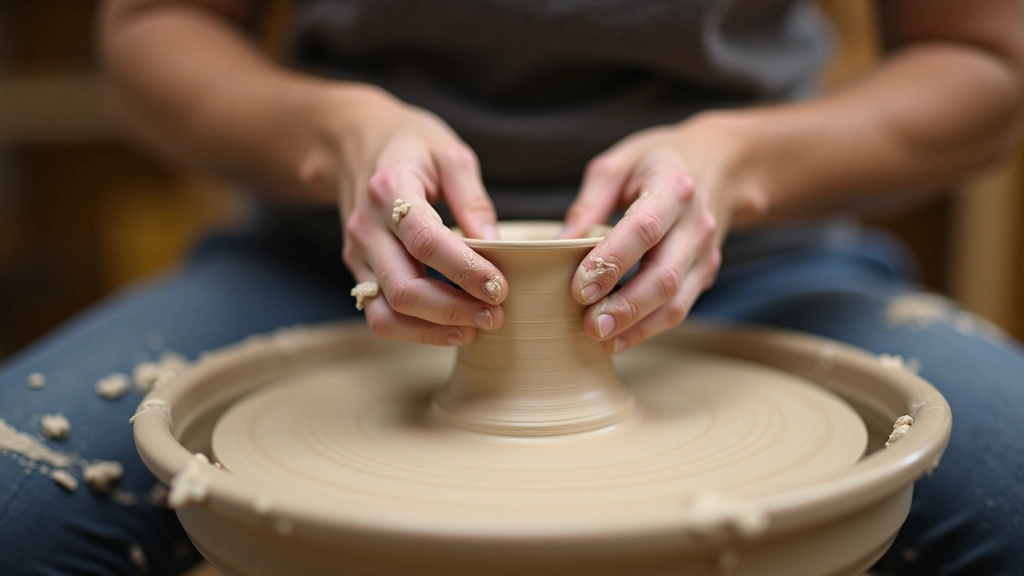
Centering Clay: The Foundation Everyone Struggles With
Why centering feels impossible at first, what's actually going wrong, and the techniques that finally make it click.
Read MoreA practical guide to finding beginner-friendly pottery classes, what happens in your first session, and how to prepare yourself for learning wheel throwing.
By
Editorial Team
Written by the Pottery Wheel Editorial Team, focused on clear, practical guidance for beginners learning to throw and glaze pottery.
If you're thinking about trying pottery in Wexford, here's the honest truth: it's not as intimidating as it looks. Most weekend workshops are designed specifically for people who've never touched clay before. You're not expected to know anything.
The first thing you'll want to do is find out what workshops are actually running in your area. Wexford has several studios offering weekend classes — some are community-run, others are private studios. They'll range from 2-hour sessions to full-day intensives. Most start in the morning (usually 9 or 10 AM) and finish by early afternoon or evening depending on the length.
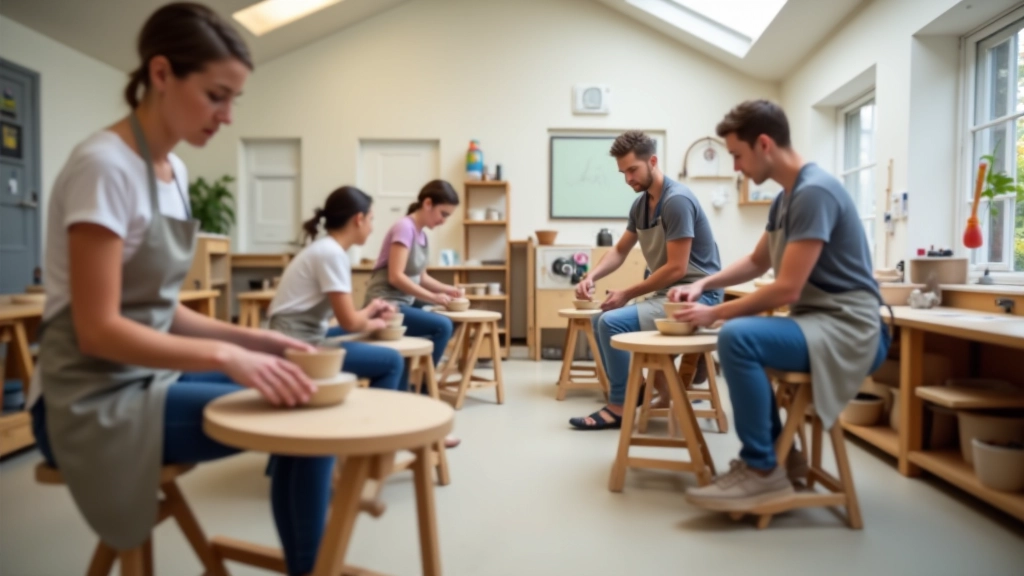
When you contact a studio, ask them three things: What's the group size? What do you need to bring? And can you observe a class before you sign up? A small group (4-6 people) means you'll actually get help when you need it. Larger groups (8-12+) can feel rushed, especially if you're a beginner. And honestly, watching a real class for 10 minutes tells you more than any description ever could.
You'll arrive and spend the first 15-20 minutes just getting settled. The instructor will show everyone around, explain where things are, and introduce the clay. Don't expect to jump straight onto a wheel — that comes later.
First, you'll do hand-building exercises. This isn't busy work. You're learning how clay feels, how much pressure it takes to shape it, and how it behaves when it's too wet or too dry. You might make a pinch pot or coil a small vessel. This takes about 20-30 minutes and it's genuinely useful. You're building muscle memory before you hit the wheel.
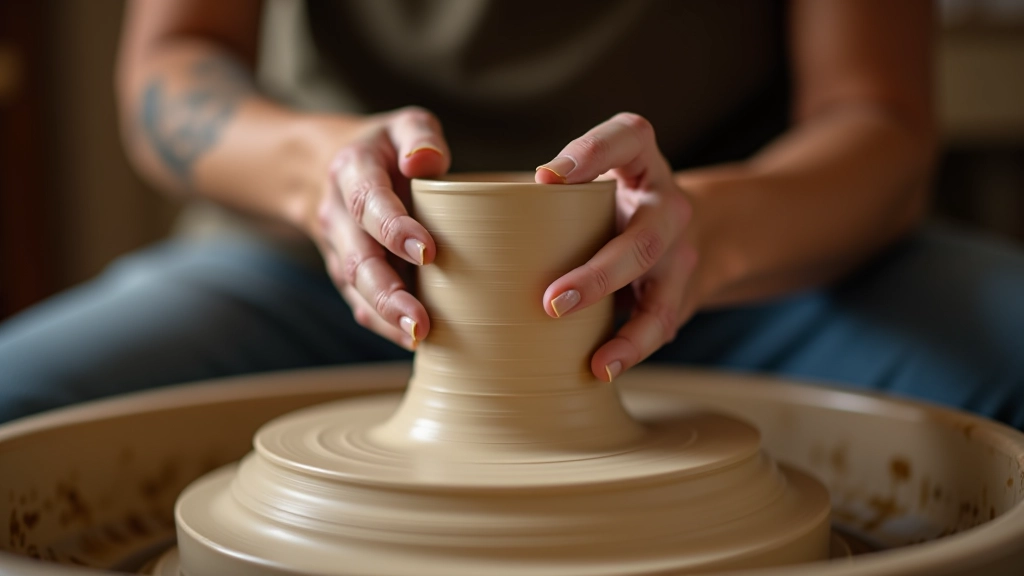
Then comes the wheel. The instructor will demonstrate centering (the hardest part), then throwing a simple cylinder. You'll watch them do it twice, slowly. Pay attention. After that, you'll get your own lump of clay and try it yourself. It'll probably be messy. That's completely normal.
Informational Note: This guide is designed to help you understand what to expect from weekend pottery workshops in Wexford. Actual workshop structures, duration, and content may vary depending on the studio and instructor. Always confirm specific details directly with your chosen workshop before attending.
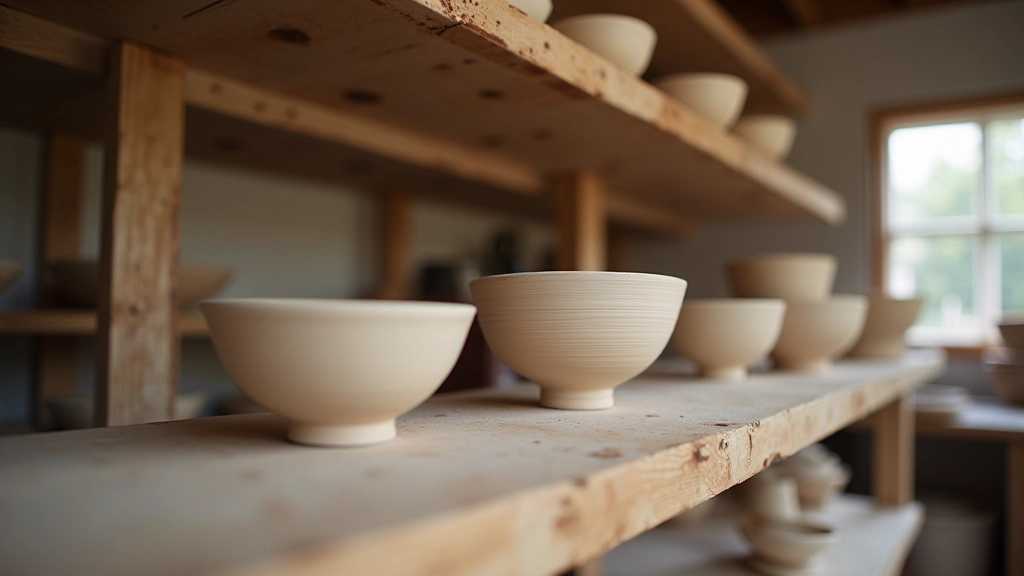
Let's talk about centering because it's the thing that stops most beginners. Centering is getting your lump of clay to sit perfectly still on the spinning wheel. If it's even slightly off-center, it'll wobble and your whole piece falls apart. It's genuinely hard the first time.
Don't expect to center perfectly in your first session. Honestly, most people don't center properly until their third or fourth time trying. That's not failure — that's normal. What you will do is feel the clay moving, understand why it's moving, and start getting a sense of the pressure you need. That's progress.
A good instructor will help you troubleshoot. They'll show you where your hands are going wrong, explain the physics of why the clay's doing what it's doing, and let you try again. The frustration is real, but it's also why people keep coming back. When you finally do center it, even partially, it feels incredible.
Check with your specific workshop, but most studios provide everything you need. Clay, tools, aprons, water. You don't need to bring your own tools as a beginner. What you DO need to think about is clothing.
Wear something you don't care about getting covered in clay. Seriously. Wet clay stains and it doesn't always come out completely. Dark colors hide stains better than light ones. Wear closed-toe shoes because you'll be standing for a couple of hours and clay is slippery. Bring a towel or wear clothes with pockets because you'll need to dry your hands constantly — wet hands slip right off the clay.
Hair should be tied back if it's long. Loose hair and spinning wheels don't mix. Most studios provide aprons but you can bring your own if you prefer a particular style. And honestly? Bring a water bottle. You'll get dehydrated standing and concentrating for hours.
Your piece won't be perfect. It probably won't even be usable as a actual bowl or mug. That's fine. What matters is that you made it and you understand how the process works now.
The studio will keep your piece and fire it in their kiln. Most places will let you collect it a week or two later, or they'll arrange pickup. You might glaze it yourself in a follow-up session, or the studio might do basic glazing for you.
Here's the thing though: one session is just the start. If you actually want to get good at this, you'll need to come back. Most people find that after 4-6 sessions, things suddenly click. Your hands remember what to do, your muscle memory kicks in, and you stop thinking about each movement. That's when it becomes fun instead of frustrating.
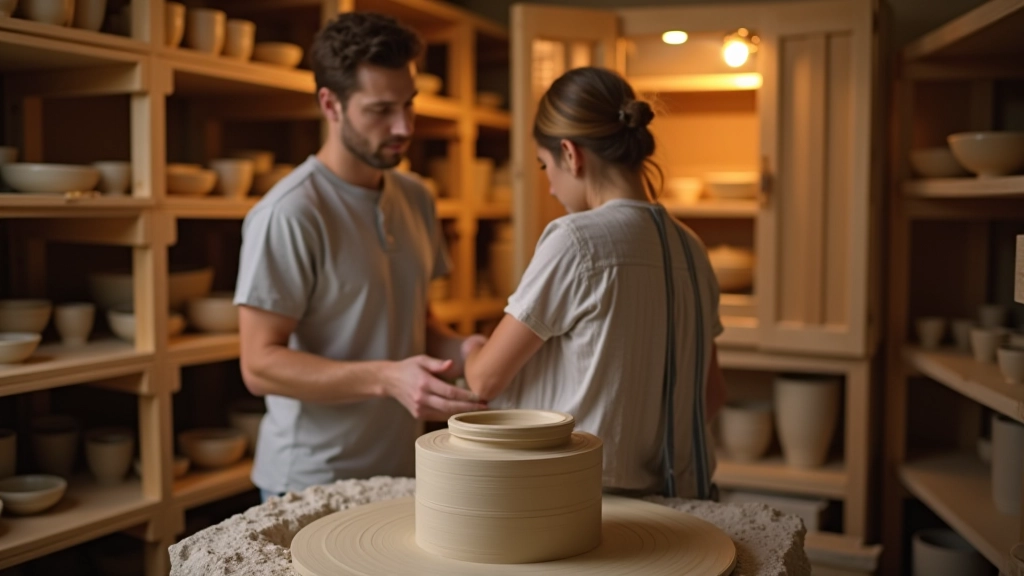
Not all pottery workshops are created equal. Some instructors are patient and encouraging. Others are more demanding. Some studios are calm and spacious. Others feel cramped and chaotic. You need to find the right fit for how you learn.
Ask other people who've taken classes there. Read any reviews you can find. And if possible, watch a class in progress. You'll get a feel for the energy immediately. Does the instructor interact with students? Are people laughing or looking stressed? Is the studio clean and organized?
Price varies but you're usually looking at €40-€80 for a 2-3 hour weekend session in Wexford. Some studios offer discounts if you commit to multiple weeks. It's worth asking if you can do a trial session or even just observe before you pay for a full class. A good studio will be happy to let you see what you're getting into.
Weekend pottery workshops in Wexford are accessible, practical, and genuinely worth trying if you're curious about working with clay. You don't need experience, talent, or special equipment. You just need to show up, wear something you don't mind staining, and be willing to feel a bit frustrated for a couple of hours.
The first session won't make you a potter. But it'll give you a real sense of what the process feels like, what the learning curve looks like, and whether this is something you want to keep exploring. And honestly? That's exactly what a first workshop should do.
Why centering feels impossible at first, what's actually going wrong, and the techniques that finally make it click.
Read More
Different glazing methods for thrown pottery, how to avoid common issues like crazing, and tips for finishing your work.
Read More
The five mistakes that show up in almost every beginner's work, what causes them, and concrete steps to correct each one.
Read More